The Stories Our Scars Hold: My Explorations with Neural Therapy
This is Part 55 of a serial blog originally titled 'Martha Carter's Healing Journey'. Curious about the earlier posts? To start from the beginning, read Part 1.
***
Can a decades-old surgical scar hold the secret to healing chronic pain somewhere else entirely? When agonizing arthritis in my hands defied every conventional and holistic remedy, a naturopath's unexpected question about my medical history unlocked a century-old German healing modality—and a profound systemic reset.
The Stories Our Scars Hold: Resetting My Nervous System with Neural Therapy
Have you noticed that there is always more to explore when it comes to our fitness, health, and healing?
As we age, our bodies change in myriad ways. When we develop new aches, surprising conditions, and annoying dysfunctions, we have two choices: we can either let these changes have their way with us, or we can seek new pathways to work with them and mitigate the symptoms as much as possible.
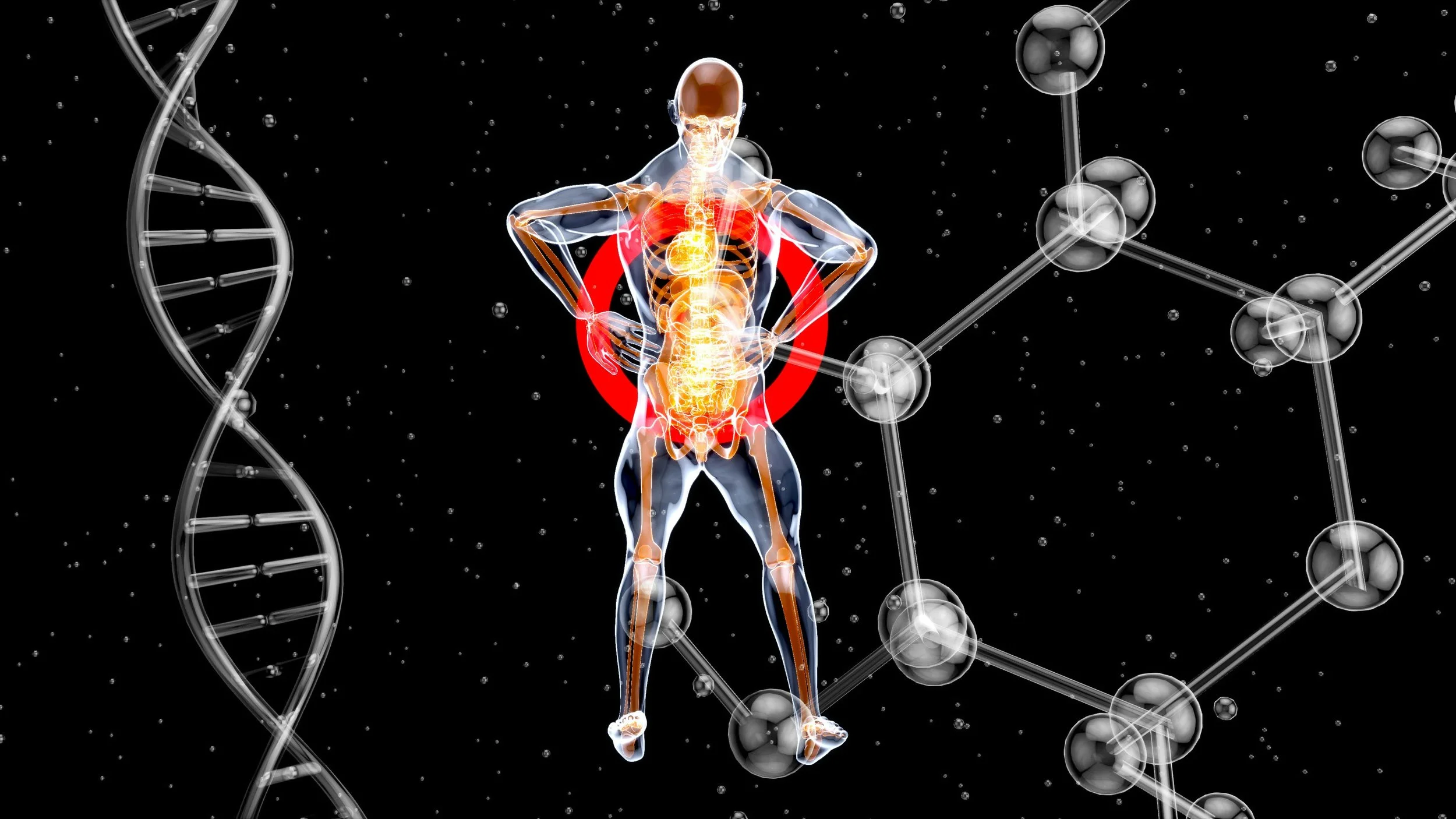
Image credit: Julien Tromeur
My latest challenge has been dealing with some incredibly uncomfortable osteoarthritis in my hands. Not only is it physically painful—my thumbs burn and burn—but it is also emotionally disturbing to watch my fingers slowly thicken and change shape. I have tried everything: targeted nutrition, anti-inflammatory supplements, topical balms, homeopathic tinctures, and even soaking both hands in young, freshly-harvested coconut water. That last one was a recommendation from a traditional Balinese healer I once had the honor of meeting. Side note: It’s hard to find young, fresh coconut in Canada.
Unfortunately, nothing brought lasting relief.
I continued with my usual toolkit of acupuncture, massage, osteopathy, and my daily Somatic Yoga practice. While these modalities support my overall well-being, my hands remained profoundly unhappy.
Driven by the urge to try another approach, I booked an appointment with a recommended local naturopathic doctor. Expecting a months-long waitlist, I was incredibly grateful when a cancellation allowed me to get in within a few weeks.
While filling out the intake form—specifically the section asking to list all accidents, injuries, and surgeries since birth—I actually had to ask for overflow paper. My surgical history was far too long for the small box provided. It made me roll my eyes at myself.
But the real surprise came during my initial consultation when the doctor reviewed my lengthy list, looked up at me with a slightly mischievous grin, and asked:
“Which one of your scars is the oldest?”
I blinked. Huh? I had never been asked that by a practitioner in my life. I had to mentally trace back through decades of major physical events. My spinal fusion scar? No, that first one was re-done years later when I had the Harrington rods removed. My pelvic caesarean scar from a uterine surgery? No, that was later, as was the knee replacement scar.
But wait... the scar on my hip from where they extracted bone graft for that very first spinal surgery? Yes! That is the oldest one I can think of.
His face lit up. “Well, that is exactly where we will start.”
Start what?
“Neural Therapy, a technique where we will inject fluid into the scar,” he replied.
I looked at him skeptically. How will ‘needling’ a scar on my hip help my burning thumbs?
He pulled out a heavy medical textbook to show me how Neural Therapy was originally developed in Germany in 1925. While it has been a cornerstone of European integrative medicine for a century, it has taken awhile to gain traction in North America as pioneering clinicians have rediscovered its profound impact on chronic pain.
The core philosophy is fascinating: an old injury, surgery, or scar can act as an "interference field"—a localized area of permanent tissue irritation that continuously disrupts the autonomic nervous system long after the surface skin has healed. Because the autonomic nervous system regulates everything from blood flow to pain signals, a chaotic signal from an old scar can cause symptoms anywhere else in the body.
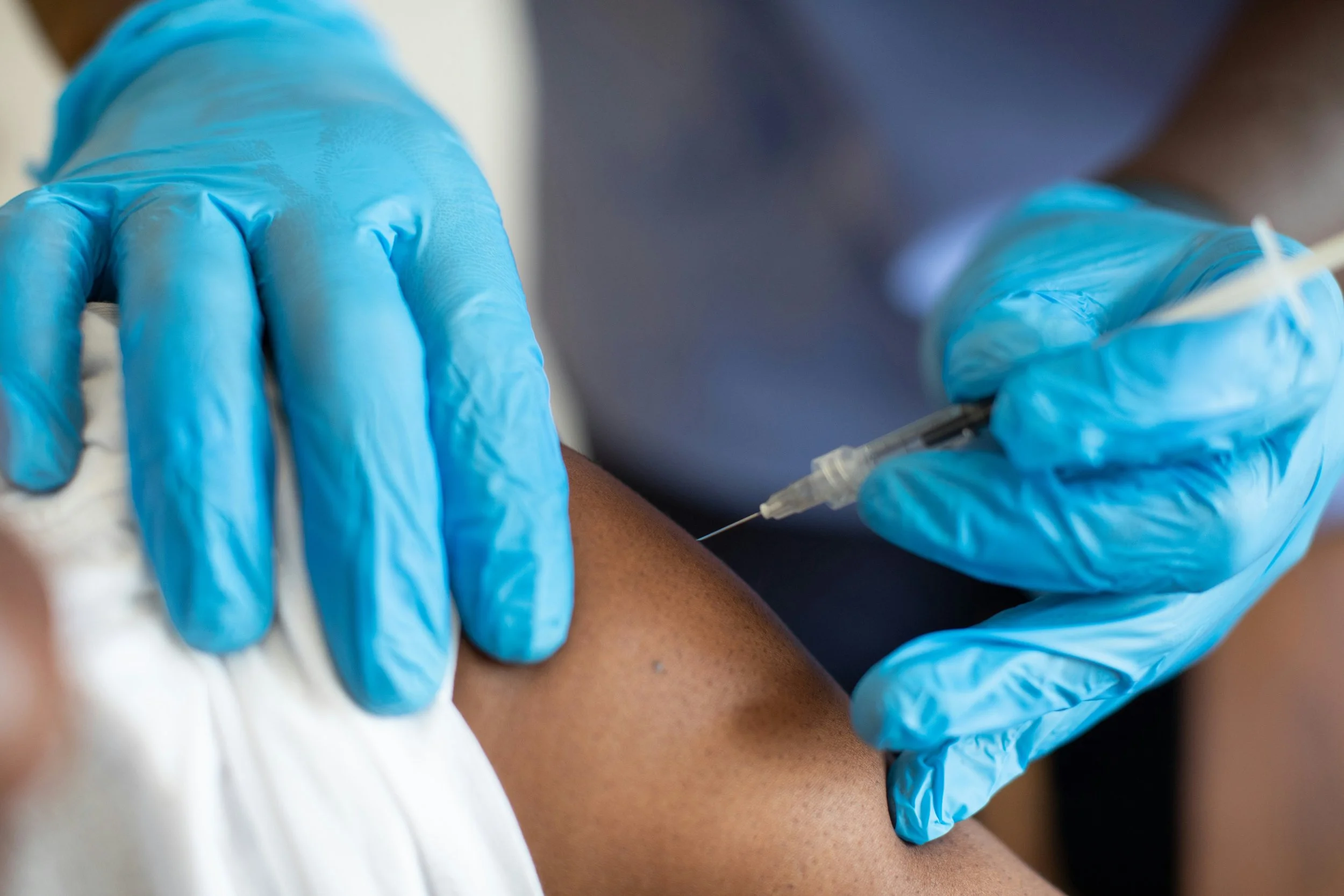
Photo credit: Nappy
By injecting a tiny amount of a local anesthetic (typically procaine) directly into the scar tissue, the goal is to temporarily interrupt that faulty electrical signal. It acts like hitting a digital reset button on a glitching computer, allowing the nervous system to reboot and self-regulate.
Looking at it through this somatic lens, the complex map of scars on my body isn’t just a record of past healing—it is very likely the source of my current chronic dysfunctions. I also learned that scars from scoliosis surgeries are some of the longest linear surgical incisions in medicine making me realize that my nervous system had been navigating a massive amount of hidden interference for years.
Suddenly, the doctor's mischievous grin made perfect sense. It isn't every day a patient with such extensive, long-standing surgical scars walks into his clinic. When they do, he knows as a practitioner who understands Neural Therapy that they potentially hold the key to a major breakthrough.
Still, the practical side of my brain wrestled with the geometry of it all. How was treating my hip going to soothe my arthritic hands? He asked me to trust the process. I took a deep breath, said okay, and we began.
Over the last eight months, I have completed 13 sessions. We have systematically addressed every major scar on my body at least once, if not twice. To support the process and calm my nervous system, my doctor also layered in targeted micro-current therapies, specific homeopathic remedies, and Perineural Injection Therapy (PIT)—a closely related but distinct modality that uses low-concentration dextrose to heal inflamed, superficial nerves just beneath the skin.
I will admit, that first session was the scariest. But the treatment itself went incredibly fast. Once I realized that the sharp sting of the needle passed in a matter of seconds, I was able to MOSTLY relax, only needing to grunt and kick a few times through my deep breathing!
During each session, we worked on one distinct scar zone. Each time I stood up afterwards, I would feel a wave of lightheadedness or dizziness—apparently a very common systemic reaction to the procaine. But after a glass of water and some mindful pacing around the treatment room, my equilibrium would return. A few hours later, a deep, restorative exhaustion would inevitably set in, sending me straight into a much-needed nap.
And the verdict? Yes, my thumbs are feeling significantly better!
The healing didn't happen overnight. It was a subtle shift. One day, I paused and realized they simply hadn't hurt in a while. The burning had dissipated dramatically.
The benefits have also rippled far beyond my hands. I notice that my daily energy levels are more consistent. My chronic indigestion is almost non-existent, and my sleep has deepened.
Major physical events like accidents, illnesses, and complex surgeries don't just happen to isolated bones and muscles. The whole organism—including the intricate, listening web of our nervous system—remembers and responds to every single assault. Left unaddressed, those traumatic disruptions can gradually alter your entire state of being for the rest of your life. But as I’ve gratefully discovered, our bodies are always ready to move towards more balance and healing with the right attention and cues. The trick is to stay open to exploration.
Thankfully, since having these treatments, my entire soma feels more balanced, and my thumbs are beautifully quiet. The doctor has suggested that I take a break from the sessions for a while and see how my symptoms respond. Ideally, the time between treatments should increase as my nervous system adjusts and I do not need to return as often. Time will tell.
During one of my last neural therapy sessions, an image suddenly popped into my mind.
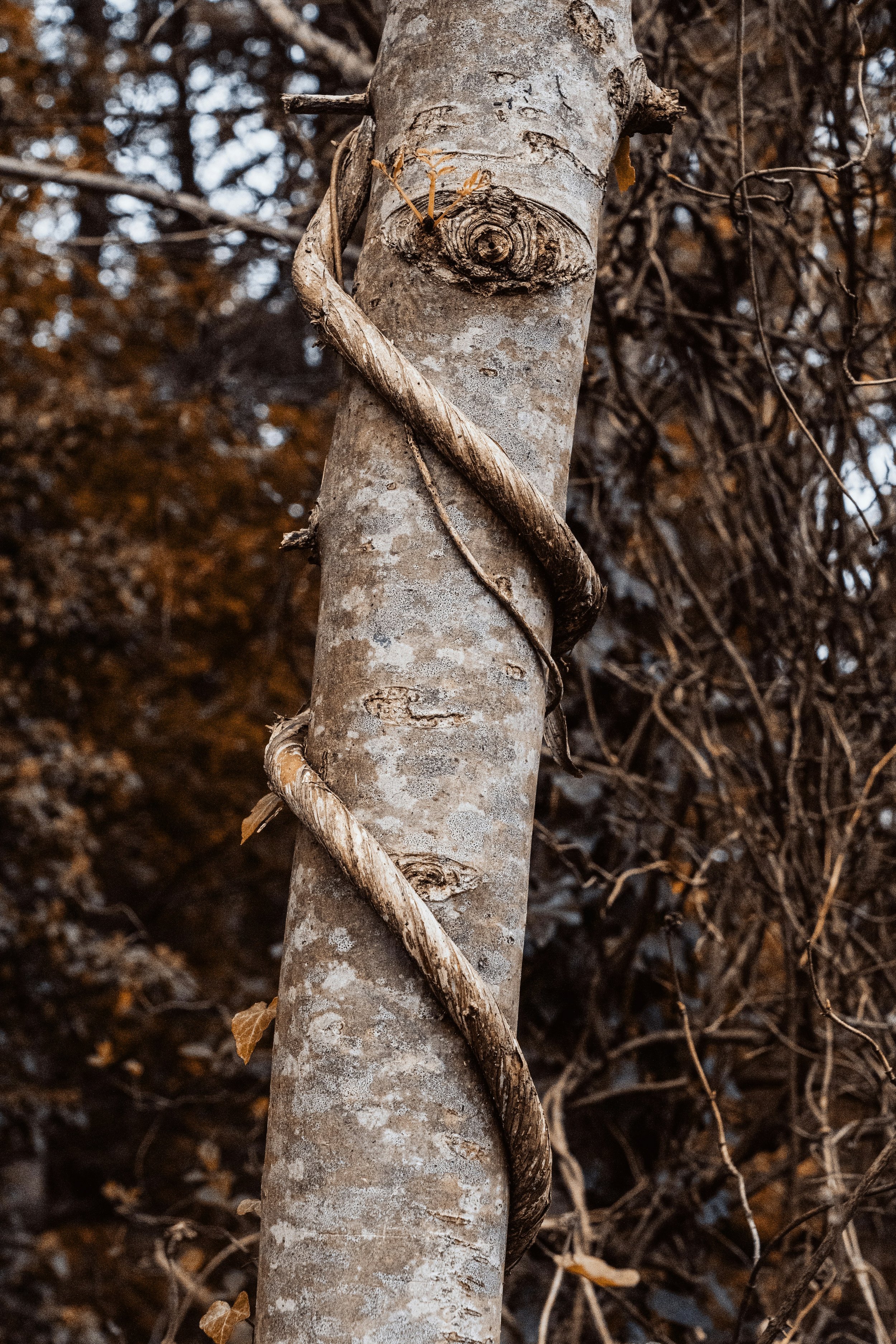
Photo credit: Jonny Gios
I imagined a tree growing towards the sky. The tree itself looked more or less fine, but vines had wrapped themselves around its trunk and were beginning to climb into and choke its branches.
It occurred to me that those vines were a bit like scars on a body—beautiful in their own way, part of the tree’s history, but potentially restrictive when they begin to interfere with its growth, vitality and freedom.
By simply cutting back the vines to keep them from taking over—much like needling and working with the scars—the tree might have a little more freedom to thrive again.
The doctor agreed that it was an interesting parallel to the intention of the treatment and said he might even start using it as an example.
And then, with a mischievous smile, he asked me:
“Did you ever have your tonsils removed?”
“Yes. Why?”
“Well, you know that creates scars in your throat… and I can work on those too!”
Uh oh…
***
Interested in receiving our monthly newsletter? Subscribe here.
Got comments? Please feel free to write us anytime.