Becoming Through Movement — by Helena Roberts
Our twelfth TOPS 'Back Stories’ guest blog feature writer is Helena Roberts. Starting with ballet as a child, working through a scoliosis diagnosis, spinal fusion surgery, and eventually yoga teacher training, Helena shares her story and how various forms of movement have shaped and supported her, in the past and present day.
*****
Movement has always been my life force.
As long as there is music playing, even faintly in the background, I can hardly sit still. My body loves to flow and, when my mind becomes stagnant, my body demands it. I’ve identified as a dancer; as a mover, all my life. Swollen feet, too-tight leotards, and slick buns pulled tight were a default state of being early on. I lived and breathed ballet and had no qualms about performing before a crowd despite being a rather quiet and shy child.
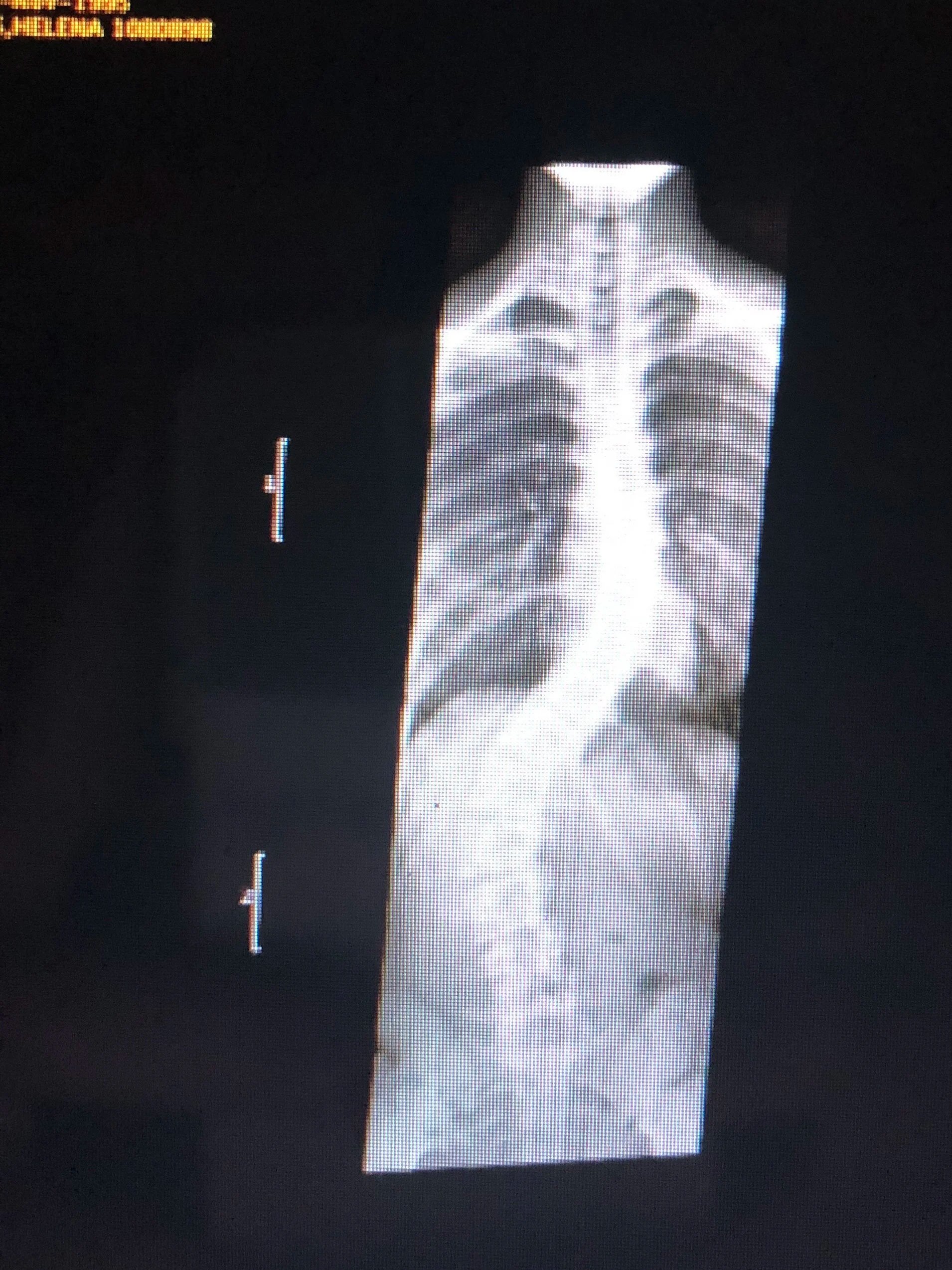
Diagnosed with scoliosis at age 11, I quickly realized that dance class was the only place I was permitted to release the thick velcro straps of my pink brace, and the studio became even more of a home to me. I grew accustomed to the daily pain of my condition and hardly ever complained; I pretended I was just like the other girls in class.
Every couple of months, I’d miss class to go back to the doctor and hear how my curves were progressing, though I did my best to block out the true impact of each update. The word ‘deformity’ stung me, and I pretended I didn’t hear it. Hyperflexible and committed to doing everything my peers could do, I passed as one of the ‘normal’ girls from afar. Despite my growing S-curve, I found balance on my own skewed axis and could land a double pirouette on pointe perfectly.
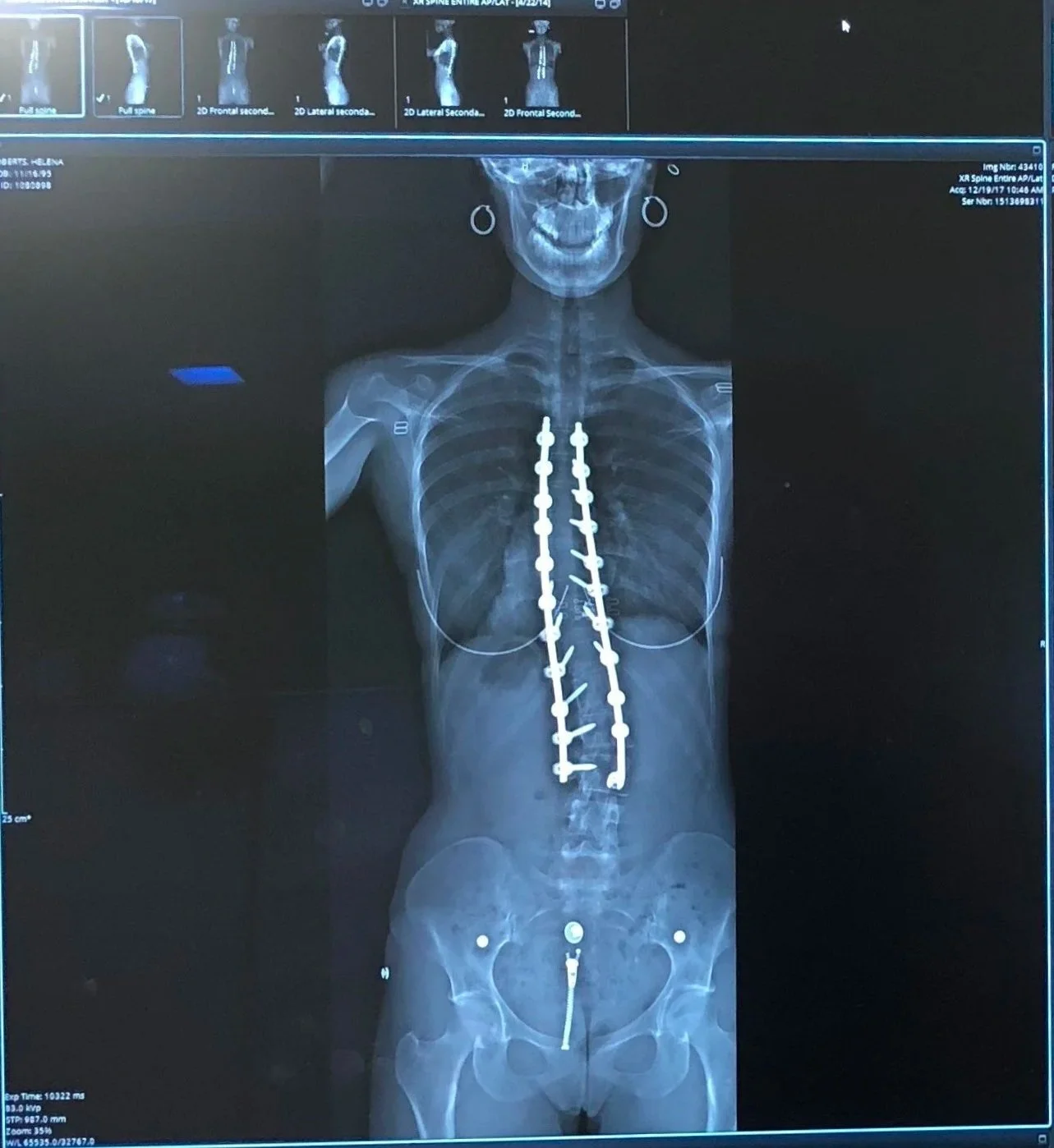
It wasn’t until age 16, when the necessity of spinal fusion surgery became imminent, that I fully grasped how my scoliosis could forever alter my relationship to movement. The memory of the car ride home from my final pre-surgery appointment replays vividly. I couldn’t utter a word. My mom, in tears behind the wheel, begged me to say something, but all I could think about was how I would break the news to my ballet teacher.
As soon as I got home, I searched the internet for ballet dancers with spinal fusion. Surely someone had to have been successful with this - right? I scrolled and scrolled, searching for hope, but came up empty-handed.
After surgery and a dark and isolating recovery, I felt like an alien in my own body, newly stretched two inches longer. But I was finally cleared to begin movement again. No guidance, no physical therapy, no mental health therapy. “Don’t do it if it hurts, and you should probably avoid rollercoasters,” was about all I heard. Still unable to bend enough to pull pink tights up my legs, I rejoined class in sweatpants, starting with just pliés and tendus before exhaustion forced me to watch from the side. I pushed through the pain to cling to whatever fragment of my identity as a dancer remained.
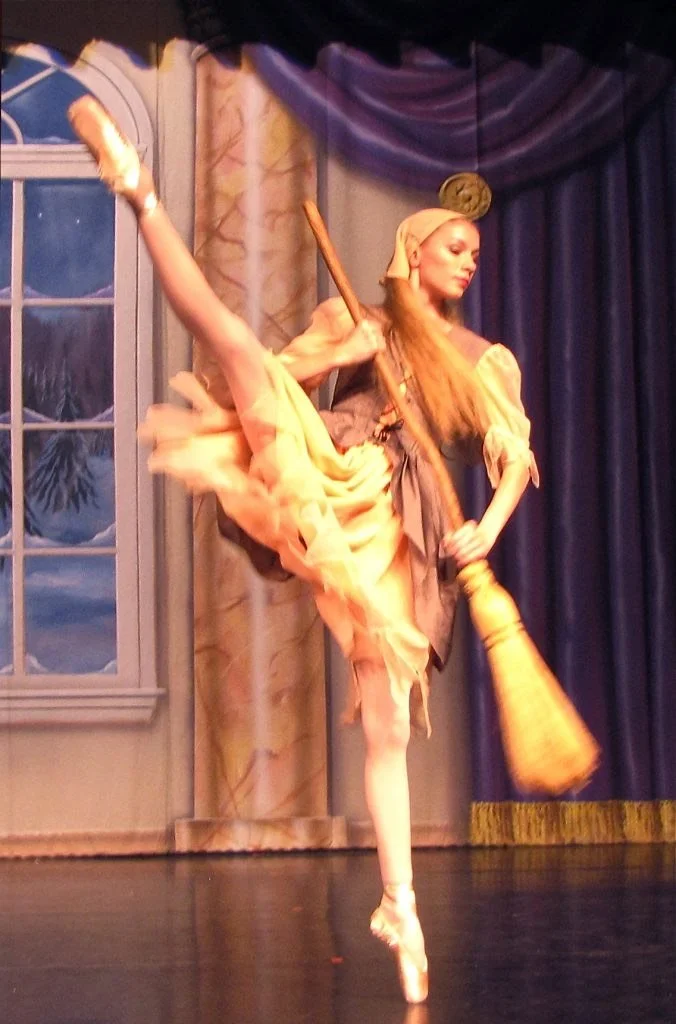
Helena as Cinderella, her first ballet performance post-fusion.
Refusing to let go, I worked harder than ever and performed in my next ballet nine months post-surgery, just barely permitted to move freely again. To the audience, I probably appeared resilient and determined - a dancer successfully conquering her condition. Inside, I wept daily for the perfect arabesque or the freedom to move without worry that would never be mine again. The voice that had long whispered “something is inherently wrong with me” now screamed its proof. I was different and imperfect, and the fresh purple scar down the length of my spine was evidence for everyone to see.
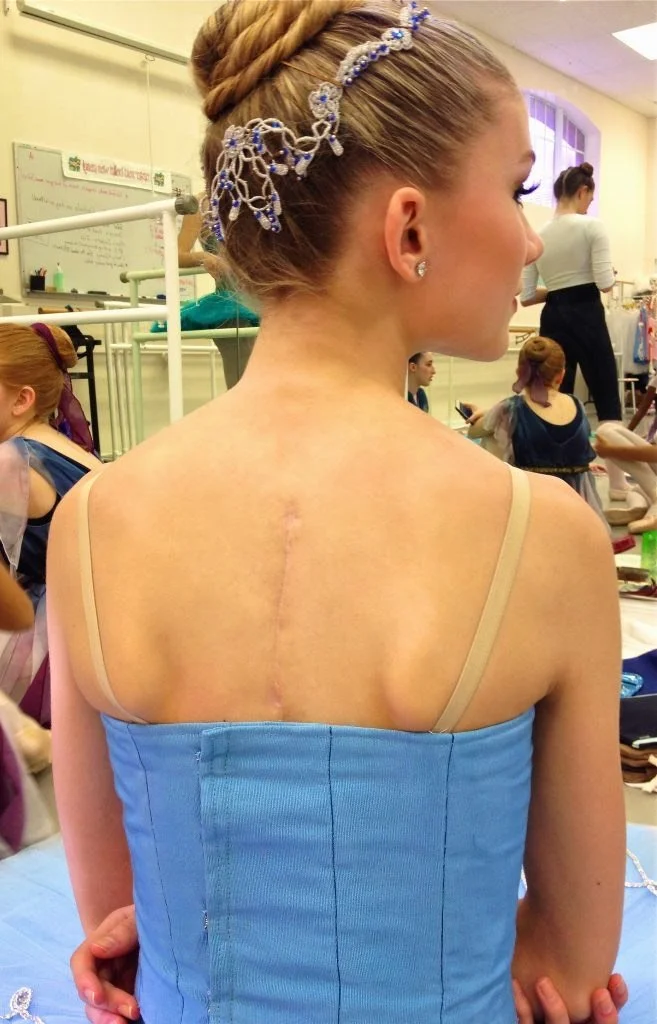
In college, I took a mental health hiatus from ballet and let my new body explore movement in other ways. I found a new home in yoga and felt refreshed reaping the physical and mental jewels of the practice. Yet in every class, I carried a quiet fear, a secret I was petrified others would uncover. It feels illogical to admit, but I was afraid that if the teacher knew I had a fused spine, they’d ask me to leave out of liability. Afterall, I was essentially exploring blindly, reaching into the dark to see what worked for my body and what didn’t.
Scoliosis-informed yoga wasn’t remotely on my radar, so I again tried to blend in with the others, the normal ones, as much as I could. To save face and also take advantage of my hypermobility, I continued to push myself into wheel pose or dancer’s pose, unaware of the potential harm to my adjacent vertebrae, all in the name of rejecting my difference. I hardly understood my new anatomy, and I certainly didn’t expect to find any teachers who did. So I continued to develop an asana practice as any able-bodied student would and silenced the voice inside that yearned to understand the full expression of her new form.
Movement has continued to carry me through life, on and off the mat or at the barre. Movement is how I speak without words at a concert or an ecstatic dance class. Movement is how I release the emotions locked in my tissues from years of pulling my brace tighter; it’s how I come home to myself. It’s through movement that I’ve begun to peel back the layers of what I think my body should do or should feel like, a process I’m still deeply immersed in. The release that movement facilitates, and the connection that it provides, have guided me to a new state of both acceptance of and curiosity about my fusion. They’re what led me to discover the Yoga for Scoliosis community, to connect with others like me, and to finally begin making peace with my own spine.
Scratching the surface of this exploration unearthed a sense of purpose within that felt like it had been waiting inside all along: to help others with scoliosis or spinal fusion find relief through movement. To take the first step toward that calling, I did something I never imagined was in my personal realm of possibilities - I signed up for a fully immersive 200-hour yoga teacher training in the desert of Joshua Tree. Knowing there was a community of women out there who had struggled in the same way and still achieved certified yogi status helped to quiet the self-doubt that surfaced before my trip.
Upon arrival, I pulled the group leader aside and shared my unique circumstances. I tried to soften the blow by assuring her I was super active and fully responsible for my body; I still carried a childlike fear of getting in trouble for not disclosing this information before they accepted me into the program, just in case they didn’t want to take on someone like me. To my relief, she thanked me with a smile, asked a few questions, and didn’t kick me out! Go figure.
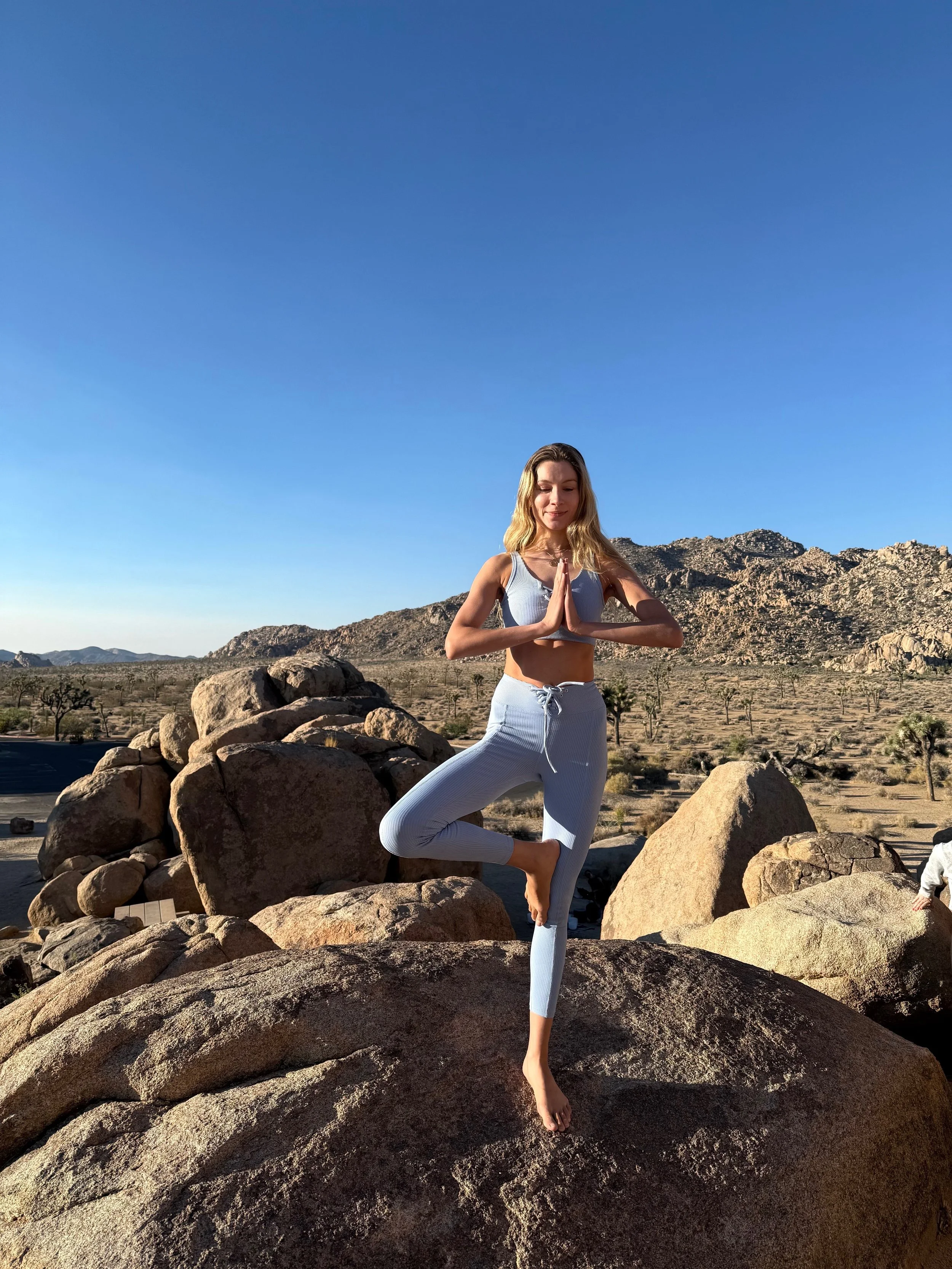
Throughout the training, feeling more bonded with the women in my group with each passing day, I began sharing insights on spinal anatomy and biomechanics that I’d learned through my personal experience and my background as a biomedical engineer. I leaned into my identity as a fused patient rather than retreating into invisibility. The women around me, most completely unfamiliar with scoliosis, met me with compassion and curiosity. It was simply understood that I would modify certain poses, and no looks were exchanged or questions asked when I did so. Finally, my fear of being ostracized as the one with the deformity dissolved. I received my yoga certification after teaching my final practicum, titled Rooting to Release Back Tension, and left the desert buzzing with gratitude and pride. I really did it.
The gift of movement has guided me through my lifelong, ever-evolving journey with scoliosis and spinal fusion. It’s a gift I feel compelled to nurture in others, helping them find ease and acceptance within their own unique bodies. My next steps on this path include continuing to explore rather than reject my anatomy, deepening my connection with the scoliosis community, and cultivating my practice working hands-on with others seeking relief from the struggle with which I am all too familiar. Movement is no longer just how I express myself, but how I draw on my body’s earned wisdom to connect and to heal.
***
Helena lives in Austin, Texas where she enjoys movement through ballet, yoga, pilates, and simply dancing at concerts. She has built her career in medical device product management with a degree in biomedical engineering and a background in spinal research. A certified yoga teacher and tuning fork practitioner, she is currently developing Somatic Spine Studio, a practice focused on helping individuals with scoliosis and spinal fusion find ease in their unique bodies through personalized movement and vibrational sound healing.
Helena can be contacted at somaticspinestudio@gmail.com.