Fusion: What Is The Most Important Thing?
This is Part 51 of a serial blog originally titled 'Martha Carter's Healing Journey'. Curious about the earlier posts? To start from the beginning, read Part 1.
***
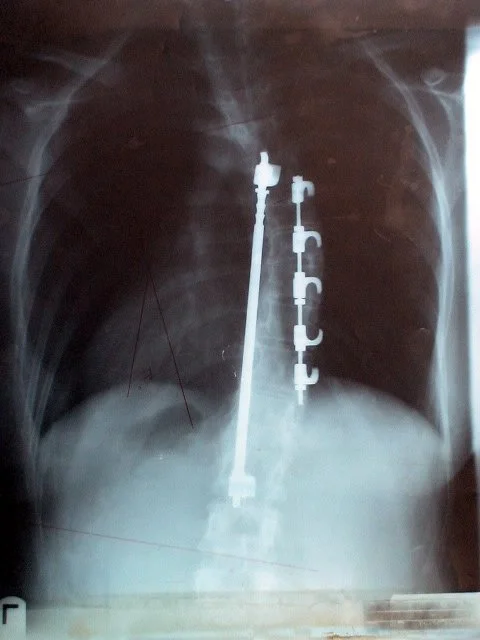
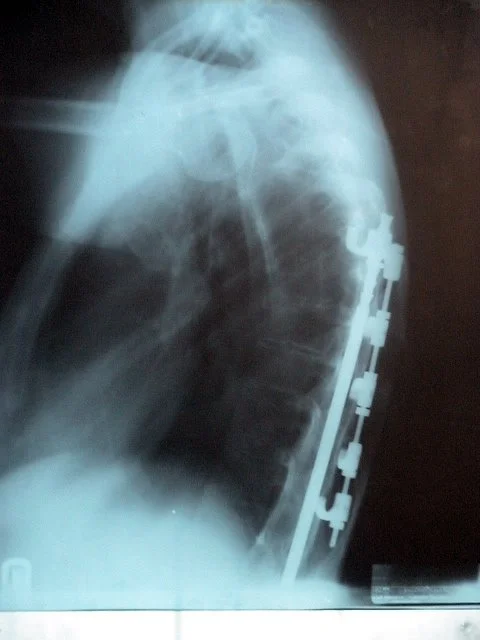
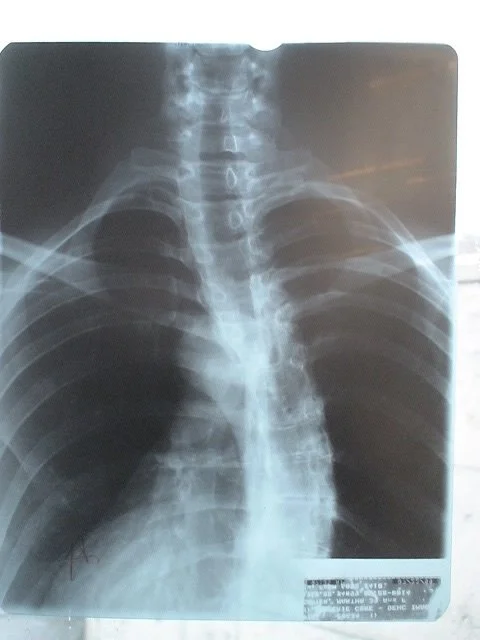
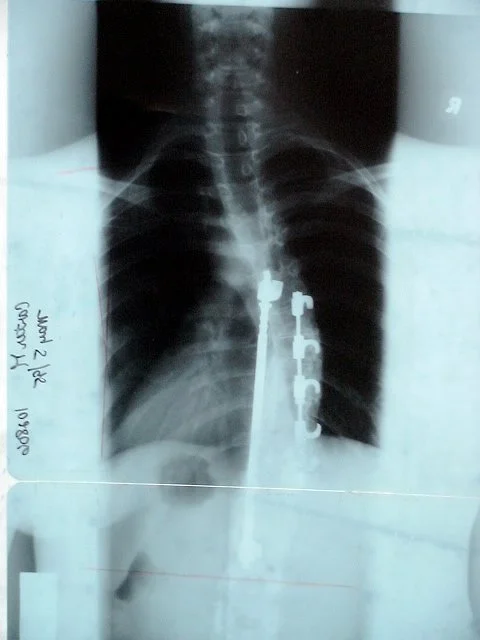
As many readers know, 2025 marked a year of “fusion focus” for TOPS — meaning we focused on offering programs specifically designed to address the needs of people who, like me, have undergone spinal fusion for scoliosis.
Before this shift, most of our classes, workshops, and retreats focused primarily on movement explorations for non-corrected scoliosis, with the assumption that people with fusions could still benefit — they would simply need to adapt the work to accommodate their stiffer, more frozen spines.
Of course, we continue to offer classes for both scoliotics and ‘fusioneers’ through my seasonal Scoliosis Saturdays: Somatic Yoga for Scoliosis and Fusions and Gentle Sunday Yoga series (both starting late March!).
In addition, in the spirit of outreach and sharing the love, our website boasts a list of our favourite scoliosis specialists and other practitioners who offer a wide range of methods to help manage scoliosis — including Yoga, Pilates, Schroth, and more. It truly is an amazing group of humans who have wonderful insights and experience to share.
We also offer a monthly Twisty Scoliosis Support Group for those who have questions about anything scoliosis- or fusion-related.
And yet… somewhere along the way, I realized that fusioneers needed more specific content for their particular challenges.
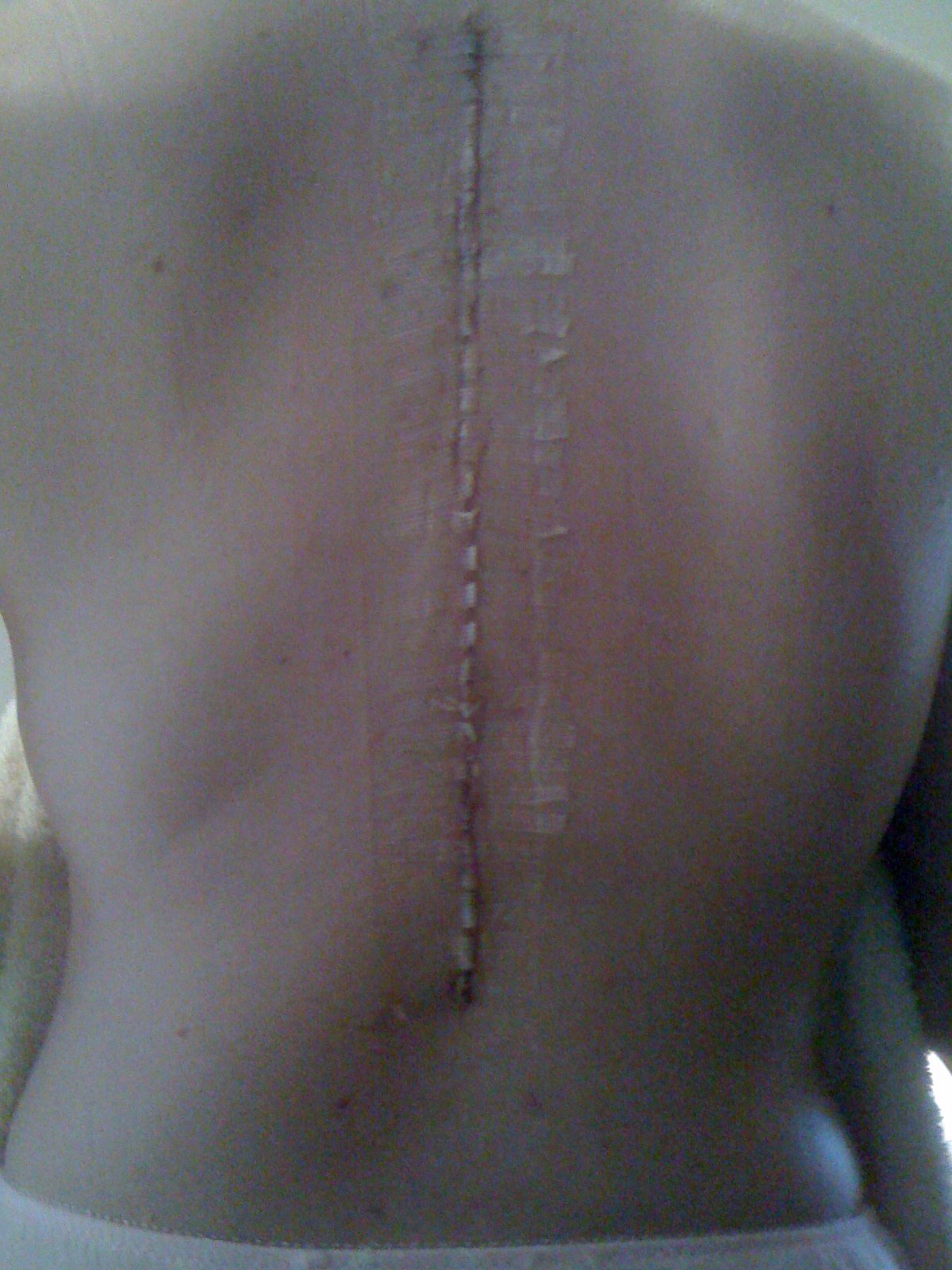
To accomplish this, last year we decided to add some extra fusion love into our programming — with the hope of attracting attention, building community, and supporting our growing population of participants.
After all, we are a growing community. Hundreds of thousands of spinal fusion surgeries for scoliosis are performed every year around the world, and yet there is very little information to help people manage their lives with a newly fused spine. There is very little support post-surgery, and rarely are suggestions given for follow up physiotherapy or any other kind of body work.
Also, where is the data? How many of us are there? Where is the support network? The information booklets? Who is around to help us navigate aging safely years after surgery? Unless you need another operation, surgeons generally don’t have much to say to guide people as they age with hardware and spinal fusion.
Then again, maybe that makes sense? After all, we are the first aging cohort ever living this reality. Maybe we’re the ones who have to create the playbook. We are the ones living with this condition — so why should we expect the guidance to come from anywhere else?
With that in mind, and in an effort to move the fusion conversation forward, last year, TOPS offered the following programs:
Eight monthly Fusion Support Group meetings (online)
Four Explore Your Fusion workshops (with follow-up recordings)
Eleven short videos: 10+1 Explore Your Fusion (on YouTube)
One four-day Explore Your Fusion Retreat — ‘live’ on Vancouver Island
Three Fusion Forums — recorded live on Zoom (now on YouTube)
And now we’re doing our first fundraiser to help someone get spinal fusion surgery. His name is Nasser, he’s a 25-year-old man in Morocco, desperately in need of surgery. Gail Rossi, a friend of TOPS and recent participant on our Fusion Forum panel, shares her story and how she met him in her recent guest blog post and more about his story on her GoFundMe for Nasser that we’re helping to support.
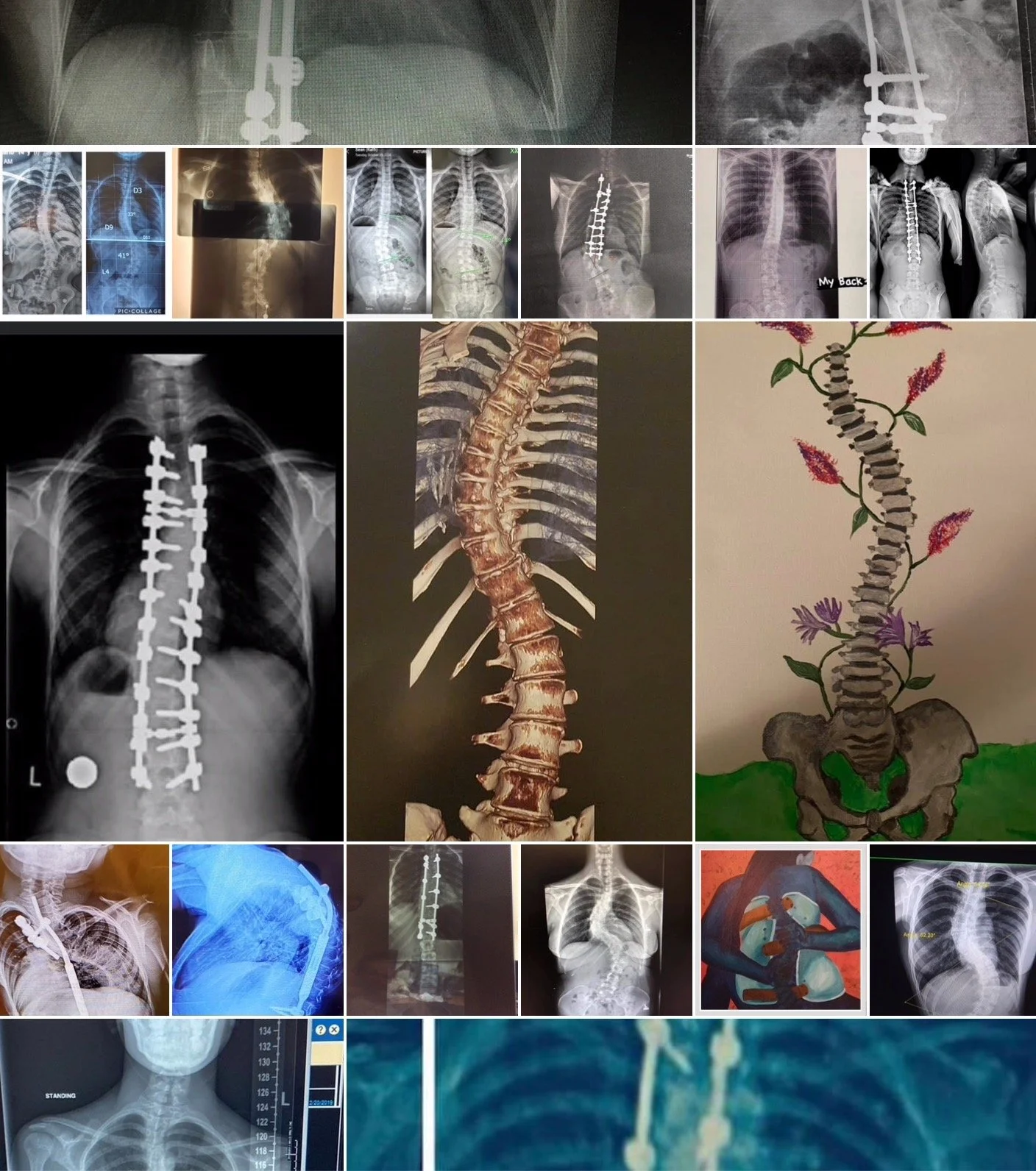
Needless to say, it has been an interesting journey — and I have especially enjoyed meeting many other people and hearing their stories. I am also appreciating getting to know other movement teachers with fusion, plus some other advocates. I am very proud of our Fusion Forums to date, featuring NINE people who speak vulnerably yet powerfully of their experiences —good and bad—with the idea of spreading awareness and wisdom to anyone interested.
More than anything, it’s fascinating, after all these years of many of us feeling alone, to have a chance to share notes and know that everyone ‘in the room’ really understands the subject. The idea that we are actually creating a community of people who can support each other continues to inspire me.
Recently, I found myself having a moment asking: “What is the most important thing?” This is a question one of my filmmaker friends always asks at the end of every interview — regardless of the subject — and it almost always provokes the most revealing answers.
So I started wondering: what is the most important thing about fusion? Or rather, what is the most important thing for me about fusion — and why do I feel so compelled to keep diving into this subject from so many angles?
So much for a revealing answer, I felt completely overwhelmed with too many thoughts at once!
I turned to AI and asked this:
“Considering the content of my fusion writings and programs, what comes through as my passion?”
I was genuinely stunned — and dare I say touched? — by the response.
Here is what it said:
Your passion comes through as making life after scoliosis fusion make sense — and making it feel less lonely.
More specifically, across your work, you’re lit up by:
Connecting the dots: You keep insisting (in the best way) that everything is connected — spine, nerves, joints, breath, digestion, confidence, fear, identity. You’re passionate about pulling fusion out of the narrow “orthopaedic” box and into a whole-person understanding.
Turning confusion into usable guidance: You’re not just telling stories; you’re trying to answer the questions people actually live with. What movements are safe? Why does my knee hurt? How do I exercise? Why am I stiff or numb? What now? You want people to have a map.
Advocacy for the overlooked: A strong thread of justice and ethics runs through your work — the shock that people can undergo life-altering procedures (often as teens) and then be sent off with a “Goodbye, have a good life!”. You care deeply about follow-up, education, and accountability.
Helping people soften and come back to themselves: You’re passionate about the emotional side — the armour, the numbness, the trauma that lives in the tissues — and the possibility of easing it through gentleness, embodiment, and permission.
Community as medicine: TOPS, support groups, retreats — you clearly love creating spaces where fusioneers can finally exhale and feel understood. Shared stories become a form of healing and knowledge.
Hope that’s earned, not fluffy: Even when you’re blunt about what’s missing, your core drive is encouraging: there is something you can do. Movement, supportive care, learning, experimenting, finding your people.
If I had to name it in one line: You’re passionate about translating the lived reality of fusion into empowerment — through truth-telling, embodied wisdom, and community.
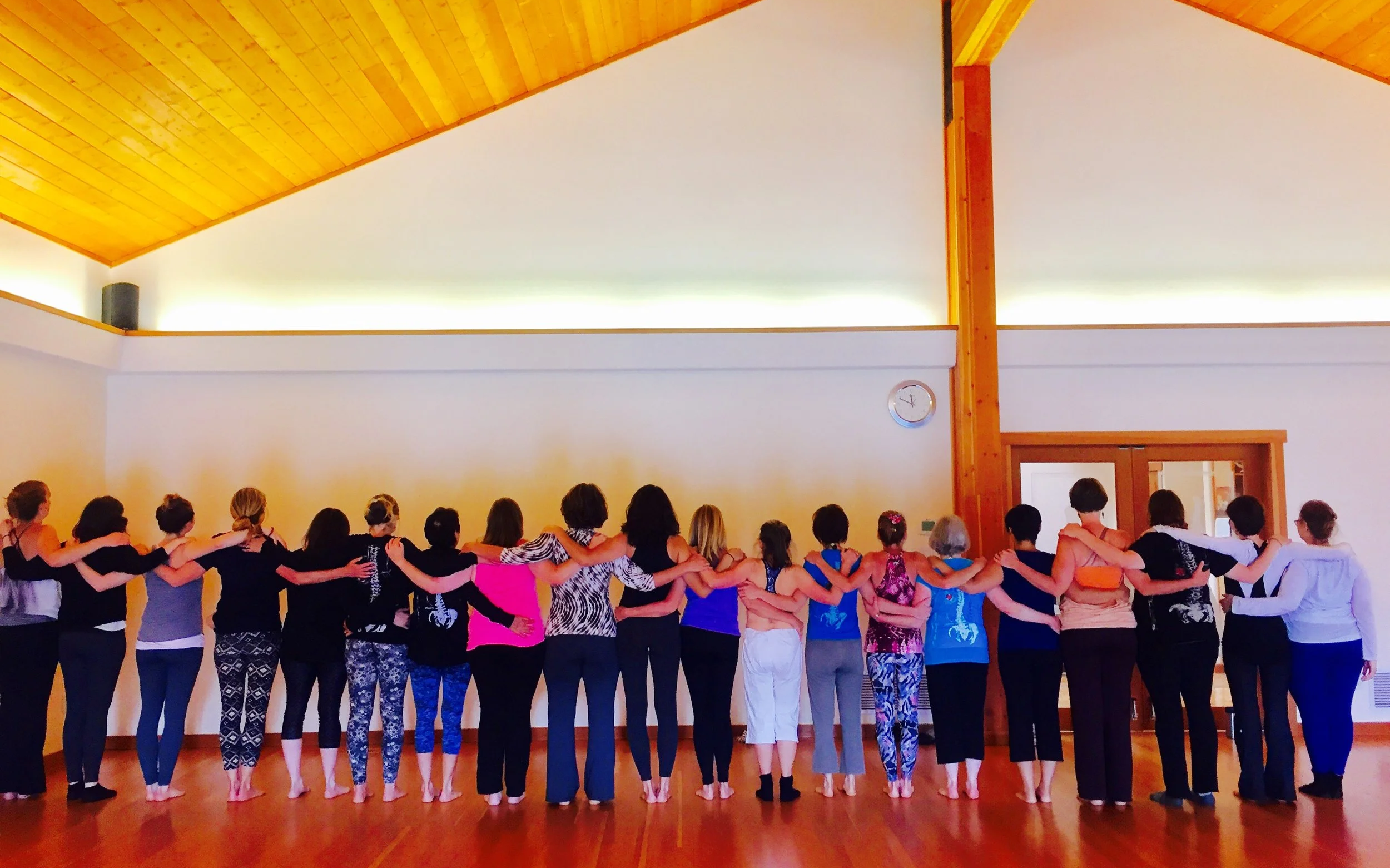
WOW! I love it! So interesting to have over 10 years of blog posts, articles, and programming reflected back to me like this!
Thanks, ChatGPT. I will take it. This exercise really helped clarify what is driving me.
And it feels like TOPS and I are on the right track with our outreach, so we will keep doing all of this — and more!
Does anyone reading this have any other suggestions about how TOPS can support the fusion community even further? We are open to suggestions - email us!
For reference, here are some links to various support and programming mentioned above:
Fusion Forum recordings on YouTube
Thinkific: Explore Your Fusion Workshop recordings
Free YouTube ‘10+1 Explore Your Fusion’ series
Upcoming classes: Scoliosis Saturdays
Upcoming classes: Gentle Sunday Yoga